Deep dive
How to Spot a Bubble, According to Ray Dalio
Keith Brown · Founding Partner, Outperform Ventures
Oct 20, 2026 · 7 min read
Bubbles take years to form and years to burst. Ray Dalio's six questions for spotting one, what history teaches, and the three things I think are sustainable today and the three I think aren't.
I was watching Ray Dalio on CNBC this morning. He said something has to prick the bubble. I agree with a lot of what he said about the pace of innovation, capex, valuation and inflation. It feels very unsustainable to me.
A bubble is simply something that's unsustainable. Like blowing a bubble, it can't grow forever. It's important to know the signs of a bubble, then people can make their own decision.
Interesting thoughts from @RayDalio this morning. I agree a lot about the pace of innovation, capex, valuation, and inflation, feels very unsustainable to me.
— Keith Brown (@heykeithbrown) View on X
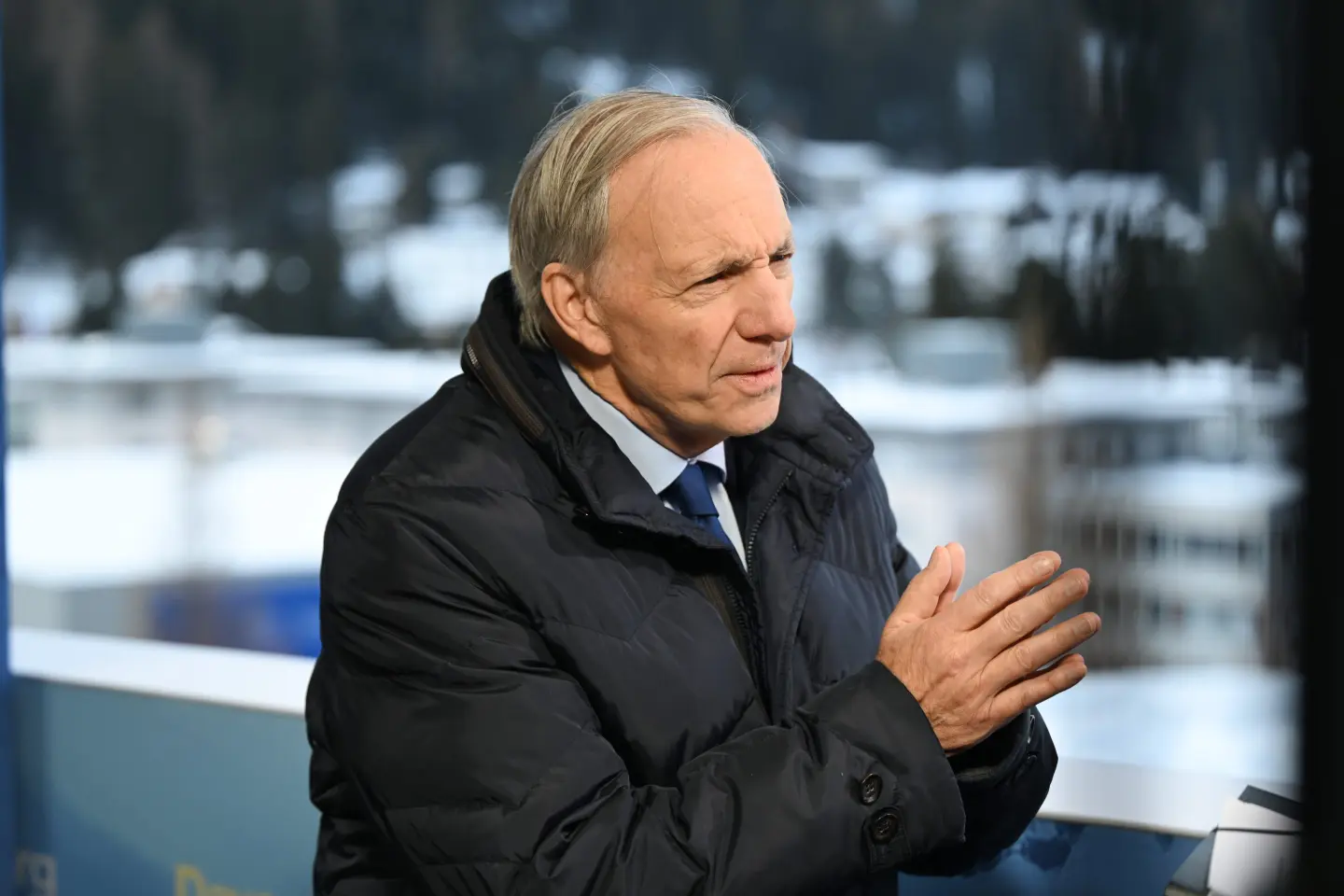
Dalio has been a global macro investor for over 50 years. He defines a bubble as "an unsustainably high price". In June he told Bloomberg Television that his bubble indicators are "rising close to—not at—the same level in 2000 and the same level in 1929."
Don't sell just because there's a bubble. But if you look at the correlations with the next 10 years' returns, when you are in that territory, you get very low returns.
I wrote this weekend about why Andrew Ross Sorkin's 1929 feels too familiar. This article picks up from there. Here's how to spot a bubble, what the biggest ones in history teach us, and what I see today.
What are the signs of a bubble?
Ray says a bubble has an unsustainable amount of buying and valuation. In a 2021 note, he laid out the six questions he uses to measure it:
- How high are prices relative to traditional measures?
- Are prices discounting unsustainable conditions?
- How many new buyers, people who weren't in the market before, have entered it?
- How broadly bullish is sentiment?
- Are purchases being financed by high leverage?
- Have buyers made exceptionally extended forward purchases to speculate or protect themselves against future price gains?
None of those questions ask whether the new technology is real. That's the part that trips people up. A bubble can form around something that ends up changing the world.
Dalio said it plainly to the Financial Times in 2025: "There's a major new technology that certainly will change the world and be successful. But some people are confusing that with the investments being successful."
What pricks a bubble?
A bubble can stay inflated for years. Dalio's point is that it bursts when people need cash and have to sell. "You cannot spend wealth," he said in June. "You have to sell wealth to get money, because you can only spend money."
That need for cash usually comes from higher interest rates, debt payments or taxes. The 10-year Treasury yield closed at 5.24% on Oct. 9, up more than a full percentage point since the end of 2025. Speaking in Singapore that week, Dalio said of the bursting point, "I think we're close to that."
The biggest bubbles in human history
It's also important to study bubbles throughout human history, and the most important ones. Each was about something different. The pattern was the same each time: more buyers, higher prices, and a belief it would keep going.
| Bubble | What people were buying | Peak | What happened next |
|---|---|---|---|
| Tulip mania | Rare tulip bulbs in the Dutch Republic (Britannica) | 1637 | Prices collapsed within weeks |
| South Sea Bubble | Shares of the South Sea Company in London (Britannica) | 1720 | Shares crashed the same year |
| Roaring Twenties | Stocks, during the rise of cars, telephones and radio (Federal Reserve History) | 1929 | The Dow fell 89% by 1932 |
| Japan | Stocks and land (BBC) | 1989 | The Nikkei lost almost 60% in under three years |
| Dot-com | Internet stocks (Bloomberg) | 2000 | The Nasdaq fell 78% over 31 months |
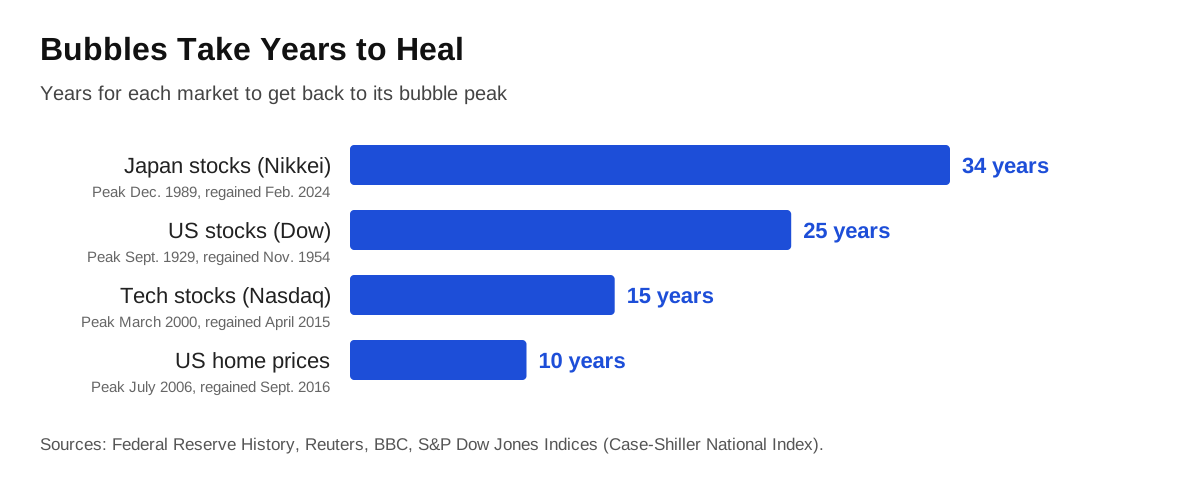
| US housing | Homes bought with easy mortgages (S&P Dow Jones Indices) | 2006 | Home prices fell and took 10 years to recover |
The news moves in daily cycles, but bubbles take years to form, and years to burst. The Dow rose six-fold from August 1921 to September 1929, according to Federal Reserve History. It didn't get back to that peak until November 1954.
That's why Ray talks the way he does. He's not looking for quick returns, he's looking at long-term time horizons. It's why he talks in horizons of 500 years even at times in his book, Principles for Dealing with the Changing World Order, which studies the rise and fall of the Dutch, British and American empires.
Where are we today?
Amazon, Alphabet, Microsoft and Meta are set to spend more than $700 billion on capital expenditures this year, much of it on chips and data centers. I've written about how AI spending is holding up the economy. Earlier this month, Dalio told CNBC he expects free cash flow to deteriorate even as earnings keep improving.
I see a lot that is not sustainable right now. I also see a lot that is. Let's look at things that are sustainable first, then at the things that aren't.
Three things that are sustainable
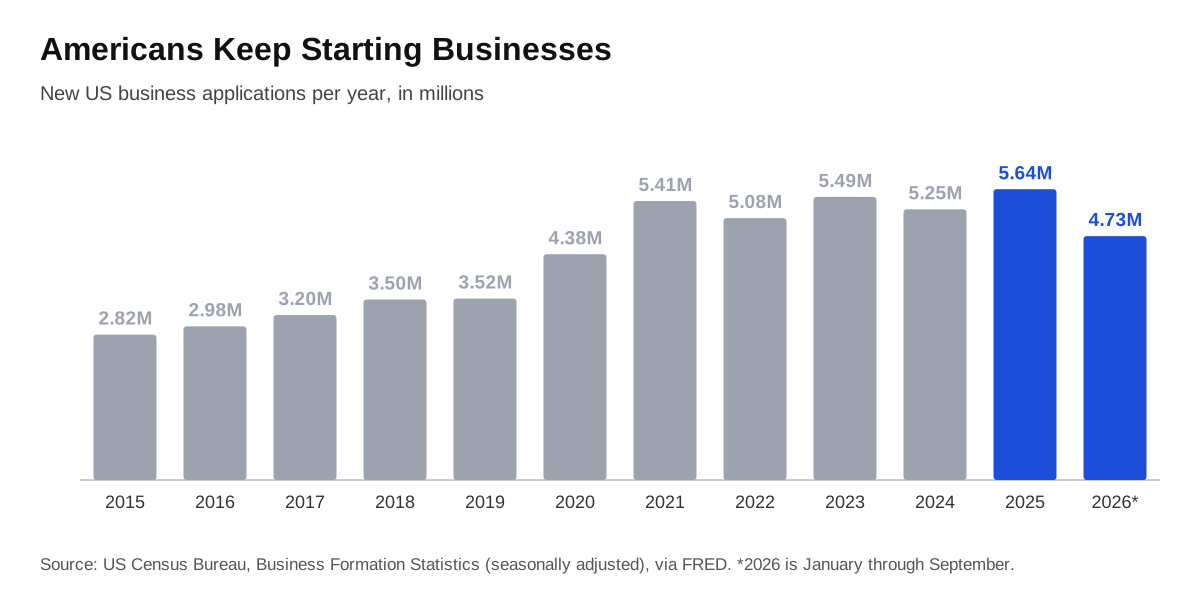
1. American entrepreneurship. American entrepreneurship always powers innovation, and I see people starting new businesses. Americans filed 5.64 million new business applications in 2025, a record, up from 3.5 million in 2019. Through September, 2026 filings are up about 15% from the same months last year.
2. People getting active and voting. I see people getting active and voting in the midterms. In the last midterm, in 2022, 69.1% of eligible citizens were registered to vote, the highest for a midterm in at least 20 years. Whoever you vote for, people paying attention is a good sign.
3. Jobs and manufacturing coming back here. I see more jobs and manufacturing coming here. Spending on new factory construction was running at about $171 billion a year in August, roughly double the pace in 2019. It has cooled from its 2024 peak, and factory employment has held steady near 12.7 million, but plants take years to build and run for decades.
Three things that aren't sustainable
1. How hard people are working. Some AI startups now ask for 72-hour weeks, a schedule known as "996," for 9 a.m. to 9 p.m., six days a week, WIRED reported. One New York company's job ads, quoted by the BBC, warn applicants not to join unless they're excited about "working ~70 hrs/week in person." People can sprint for a season, but not for years.
2. How fast AI is moving. The models get better every few months, and companies are spending to keep up before they know what the returns will be. I wrote about why we need a new model for employment because the pace is changing work faster than companies can adjust.
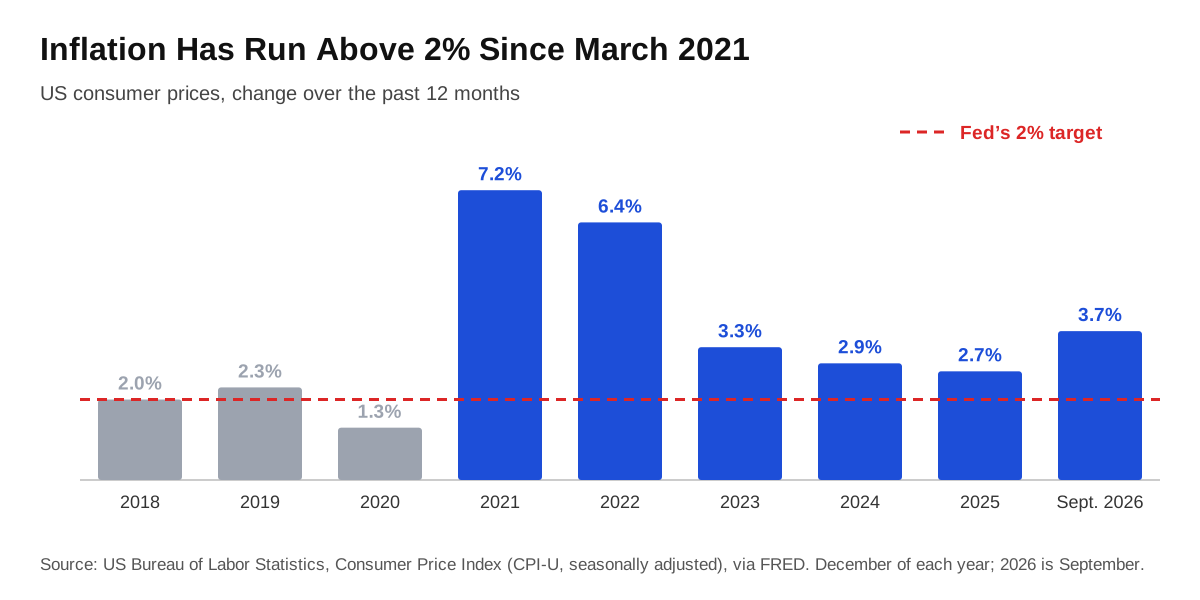
3. Inflation above the Fed's target for years. The Federal Reserve targets 2% inflation. Consumer prices have risen faster than that every month since March 2021, 66 months in a row, according to the Bureau of Labor Statistics. The Fed's preferred measure, PCE inflation, has the same streak.
Higher energy prices are part of it. I wrote about why oil isn't coming down anytime soon, and that feeds into almost everything we buy.
Keep a level head
It's really important we all read, educate ourselves, study human history, and keep a level head. Here's how I'd put that into practice.
- Run Ray's six questions on anything you're about to buy, whether it's a stock, a company or a big hire plan.
- Know what you'd need cash for in the next two years. Bubbles burst when people are forced to sell, so don't put yourself in that position.
- Diversify. Dalio's advice is simple: "What you don't know is greater than anything you do know."
- Own things that last. Businesses and real assets that earn money hold up better than paper gains. I wrote about why ownership matters.
- Read history. Start with Sorkin's 1929 and Dalio's Principles for Dealing with the Changing World Order.
Bubbles take years to form. You have time to learn the signs. Then make your own decision.
This is my view, not investment advice. I own shares of SpaceX, which owns xAI, and Meta, one of the companies spending heavily on AI.
Related reading
Get my monthly newsletter
One email a month with what I'm writing and working on.
One email a month. Unsubscribe anytime.