My Story
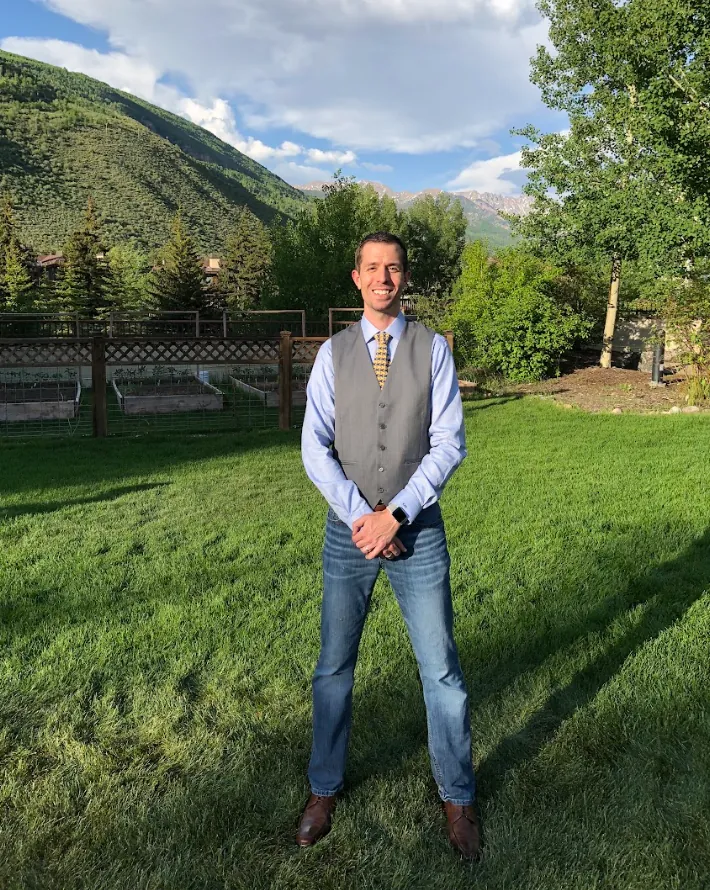
I'm Keith Brown.
I grow people and businesses.
I led M&A for a billion-dollar company, helped scale a bootstrapped business to the top of the Inc. 5000, and now work with founders and invest in them. I write here about what I've learned.
The more successful someone gets, the fewer people tell them the truth. I try to be one of the people who still does.
The path
Sixteen years of growing things
- 2010–2012
400k
clients on a $1.3B network
Superpages.com (Thryv)
Director
Led organic search and built a web auditing tool used by 2,000 sales reps. Won the company-wide MVP award.
- 2012–2014
50+
real estate SaaS products
RealPage
Vice President
Led M&A diligence, product and growth. Deals included Level One, Compliance Depot, MyNewPlace, ActiveBuilding and Kigo.
- 2014–2018
20x
revenue, no sales team
Aha!
Vice President, employee #3
Led growth for a bootstrapped, remote SaaS company. Ranked #143 on the Inc. 5000.
- 2019–todayNow
13
portfolio companies
Outperform Ventures
Founding Partner
Investor since 2019. In 2026 it became a venture studio bringing capital, strategy and growth to early-stage founders.
How I work
I once sat in a room where a very expensive idea was being presented to the CEO paying for it — a company worth around $2B. Everyone nodded. I said it would never work, and why. Afterward he didn't have me removed; he pulled up a chair next to his and asked me to stay close and keep saying what his executives were afraid to say.
I don't care about titles in those conversations. I say what I think. That's why people keep calling.
What I look for
People hand me the question they think they have. The pitch deck, the pricing problem, the hire that isn't working. Underneath it there is almost always a different company, or a different decision, or a different person than the one being described.
I'm not smarter than the founders I work with. I'm just not inside it, so I keep asking questions.
How it starts
A founder who had spent everything getting to launch asked for help. I gave him ninety days for free, then a year. He built the thing. Someone he introduced me to went on to build a company now worth around $200M. I volunteered as a judge at a pitch competition, kept asking questions after everyone else had stopped, and the technology buried inside a debt-loaded company got spun out on its own — it sells to roughly 50 of the Fortune 500 today.
Neither of those started as a deal. I helped first. Most of my best work has started that way.
Confidentiality
A founder who had exited for around $8B picked a diner over anywhere I offered, ordered a grilled cheese with ketchup, and talked about his kids. An actor most people would recognize spent three hours telling me about a childhood he'd never told a stranger. I didn't ask for the photo, and I've never repeated a word of it.
It's your company. You make the decisions. I help you see them clearly, whether the company is six months old or worth billions.
Stories from founders
Founders I've worked with.
Most of this work is private, so I leave names out unless the founder shared the story publicly. The decisions were always theirs.
I help first
Most of the time I start helping before we agree on anything.
I ask more questions
The first question a founder brings me is usually not the real problem.
I tell the truth
I say what I think, even when it's not what they want to hear.
I keep it private
No names or numbers unless the founder shares them first.
The engagements
Where it started, where it ended, how I was involved, and how I was paid.
- 01Consumer productEquityA year free, then a well-below-market salary and significant equity
He had one shot left, and he used it well.
- The founder
- First-time founder who had spent his savings getting to launch
- How I engaged
- Ninety days free to get it out the door, then a year alongside him without pay, then a role inside the company.
- Where we started
- Out of money, out of runway, and holding an idea nobody around him had the time to pressure-test. He asked for help. I gave him 90 days, then a year, for free.
- Where we ended
- The company launched, found its market, and grew. Someone he introduced me to later built a business now worth around $200M.
- 02Enterprise technologyEquityAdvisory shares for the 90 days, and nothing else
The pitch was the wrong business. The better one was already inside it.
- The founder
- Leadership team carrying real debt and one asset they hadn't noticed
- How I engaged
- Ninety days. Unpaid at the start, then advisory work to get the spin-out standing.
- Where we started
- I volunteered as a judge at a pitch competition and kept asking questions after everyone else stopped. The company was pitching a business buried in debt.
- Where we ended
- The technology underneath got spun out on its own. That company now sells to roughly 50 of the Fortune 500 and is worth about $150M.
- 03Venture capitalPro bono
He stopped mid-sentence and said the true thing.
Shared publicly by the founder
- The founder
- Investor and podcast host, faith-driven venture
- How I engaged
- One conversation, then a standing friendship. No engagement, no agreement.
- Where we started
- Grinding hard, carrying the weight publicly, and running out of joy in work that was going well on paper.
- Where we ended
- He wrote about it publicly, unprompted, months later. That's the only reason it has a name attached.
“I needed someone to stop me and remind me to have more fun. That stuck.”
Rooms I've been in
No terms, no cap table. Just a moment that taught me something about the people who carry companies. Details are blurred on purpose; the stories are true.
CEO of a roughly $2B ad tech company
I told him it would never work. He pulled up a chair.
I was in a room where a very expensive idea was being presented to the person paying for it. Everyone nodded. I said, plainly, that it would never work, and why.
The room went quiet. Afterward he didn't have me removed — he pulled up a chair next to his and asked me to stay close and keep saying the thing his executives were afraid to say. That seat lasted through layoffs and a lot of decisions nobody enjoyed making.
Powerful people need the truth ten times more than anyone else, because almost nobody around them is still willing to say it.
Founder who had exited for around $8B
He picked the diner.
He could eat anywhere on earth. There was a supercar he was too busy to go collect. I offered to take him somewhere worthy of the occasion.
He chose a diner, ordered a grilled cheese with ketchup and a chocolate milk, and talked for two hours about his kids.
The number never becomes the person. Treat the founder like a person and you get the real conversation.
A well-known actor building a wellness company
Three hours about a childhood he'd never told a stranger.
We were supposed to be talking about his company. Within twenty minutes we were talking about who he was before any of it, and the exhaustion of making a living playing someone he isn't.
Three hours. Nobody in his orbit had asked him a question like that in years. I didn't ask for a photo, and I've never repeated a word of it.
The identity question sits underneath almost every business question. Ask it, then protect the answer.
The wife of an inventor whose company had gone public
One stray shot, and she ran the company.
He had patented a medical device, taken the company public, and stepped back young. On an ordinary afternoon a stray golf ball took the sight in one of his eyes.
While he recovered, she ran the company. She had never asked for the job, never wanted the title, and did it anyway, well.
The person holding a company together is often not the one on the masthead. Notice who is actually carrying it.
What stays private
I don't name clients. The only story here with a name on it is one the founder published himself.
The fund
I'd rather back people than an index fund.
I left LinkedIn in 2018 thinking I'd reached the top: I'd climbed the corporate ladder, led M&A for a billion-dollar company, and helped scale a bootstrapped business to the top of the Inc. 5000. After twenty years of it — I started my first business at twelve — I stepped away to start a family, travel, and see what else life had to offer.
I never actually stopped. Through those years away I kept working with founders. I helped for free. I helped for equity. I invested my own money. I learned cap tables, venture capital and private equity from the inside out, which is a slower and more expensive way to learn it than a job would have been, and a much better one.
At the beginning of 2026 I turned that into a fund. Rather than put money into the S&P or a mutual fund, I wanted to invest back into the people in my network. Outperform Ventures went from a silent investment vehicle to an active part of the conversation, with Rob Peabody as a partner and a real team alongside me: nearly ten full-time people, several million to invest, 13 portfolio companies.
There are more solopreneurs today than there have ever been, and that's a good thing. But capital is scaling fast and real support is lagging behind. Tier 1 VCs are fighting over the same slice of AI companies while thousands of capable founders outside that bubble are figuring out the hardest parts alone. That gap is the whole reason the fund exists, and it's the same reason this site exists. The tools and the answers here are free because most founders don't need money from me — they need the answer to one question, fast, from someone who has no agenda in it.
What you'll find here
- Business — AI, teams, software and strategy.
- Investing — valuation, buying and selling, and where I'd put money.
- Decisions — the calls that separate the good founders from the rest.
- Tools — free, no signup, answers in a few minutes.
- Legacy — time, family, and what's still standing when the company isn't.
Follow what I'm building and backing
I post on LinkedIn and X about the companies I back and the products I build.
Join 2,219 people following along.