Deep dive
Andrew Ross Sorkin's 1929 Feels Far Too Familiar in the AI Market
Keith Brown · Founding Partner, Outperform Ventures
Oct 18, 2026 · 6 min read
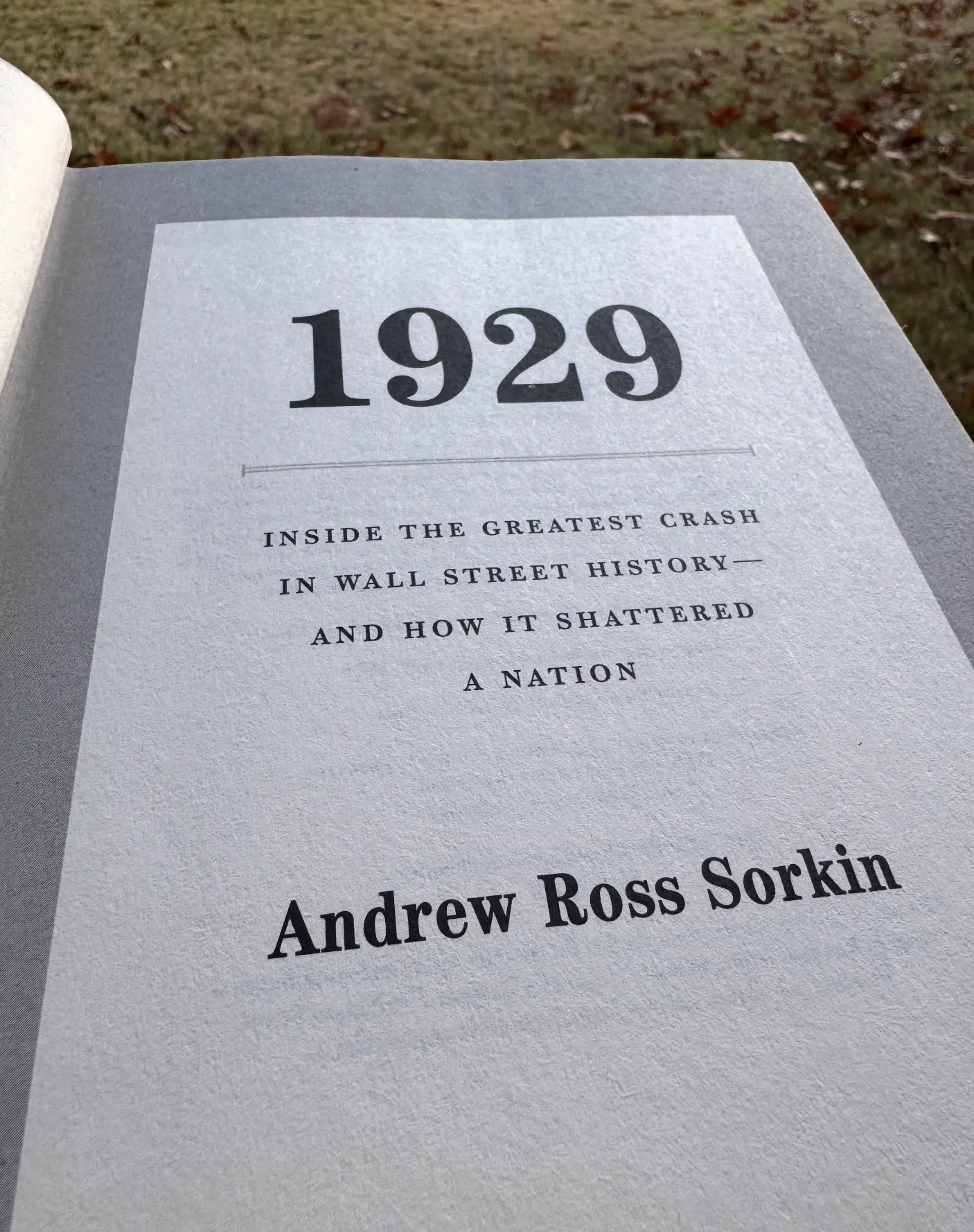
Good leaders in 1929 propped up a market they had doubts about, and they weren't villains. They were human. Reading the book again during an AI selloff, I see the same behavior, and studying it is one of the best things an investor can do.
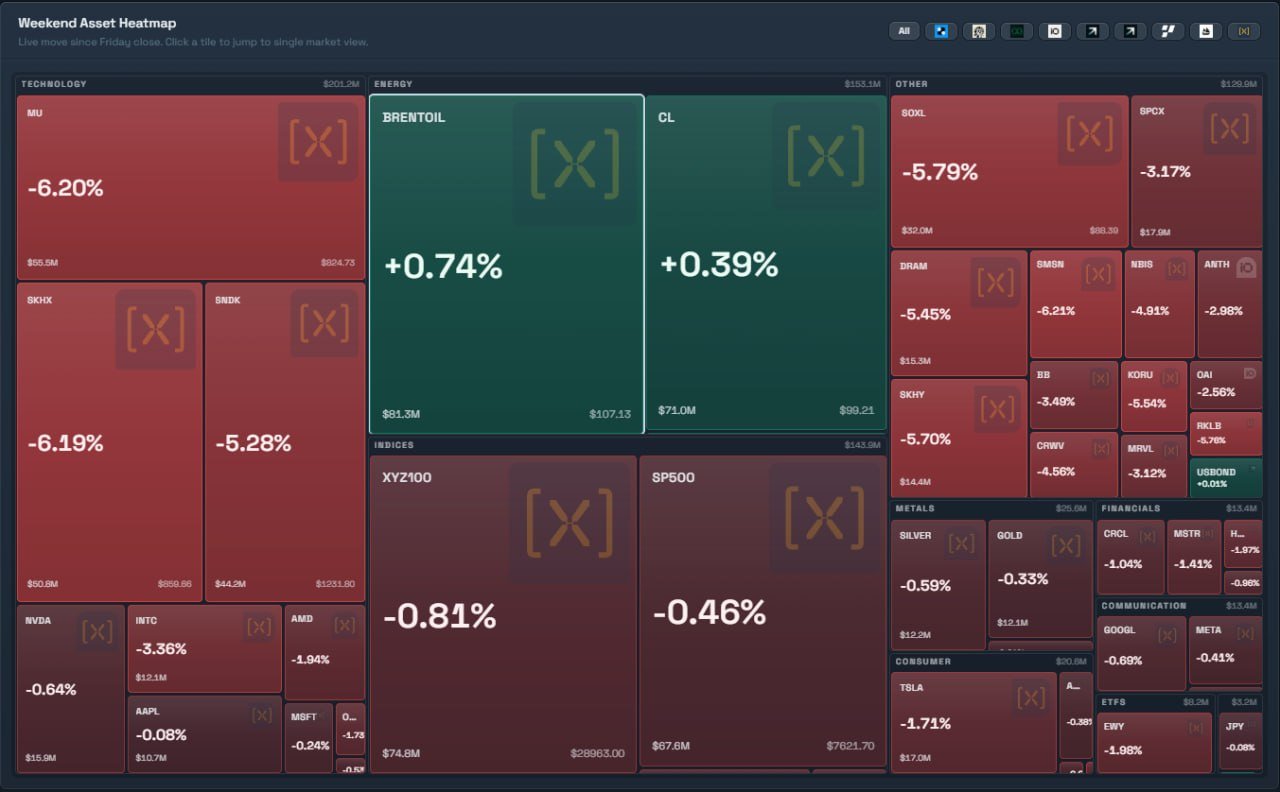
I just finished Andrew Ross Sorkin's 1929 again. This time it felt far too familiar. The week I closed it, the Nasdaq fell about 4.5%, its worst week since June, and CoreWeave lost 25% in five days.
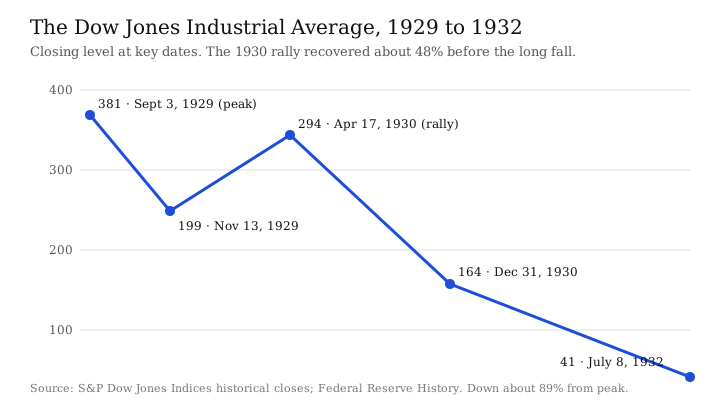
By the weekend, people were already calling it overdone and buying. In October 1929 the Dow lost about a quarter of its value in two weeks, and by July 1932 it was down about 89% from its peak, according to Federal Reserve History.
I'm not saying we're repeating 1929, or 2000, or 2008. I'm saying we're human. Watching and studying how people behave is one of the wisest things you can do as an investor. I made a related case in what business owners are telling me about AI and the economy.
Stock prices have reached what looks like a permanently high plateau.
Fisher was one of the most respected economists in the country. Nine days later came Black Thursday. Smart people get caught up too. That's the lesson I keep coming back to.
Radio was the AI of 1929
In the 1920s, radio was going to change everything. And it did. Radio reshaped news, advertising, music and politics for the next forty years.
The stock market got there first. RCA was the hot stock of the decade, and it didn't pay a dividend. Its shares ran up many times over in a few years, then fell more than 90% by 1932. The company survived and thrived. Many of the people who bought at the top did not.
That's the part people forget. You can be right about the technology and still lose money on the price you paid. I believe AI will change everything too. I wrote about it in where I'd put money instead of the Anthropic IPO. Believing in the technology and paying any price for it are two different decisions.
When stocks fell, insiders propped them up
On Black Thursday, October 24, 1929, the heads of the biggest banks met at J.P. Morgan's offices. They pooled money, and Richard Whitney of the New York Stock Exchange walked onto the floor and bid above the market for U.S. Steel. Prices recovered that afternoon.
It worked for a day. The following Monday and Tuesday, the market fell again, harder.
Today the support looks different, but it rhymes. Nvidia sells the chips. It also invests in the companies that buy them. Nvidia signed a $6.3 billion order to buy CoreWeave's unused cloud capacity, and announced plans to invest up to $100 billion in OpenAI as OpenAI deploys Nvidia systems. Money goes out as investment and comes back as revenue.
CoreWeave carries roughly $50 billion in debt and lease obligations. Last week its five-year credit default swaps hit a record, and its CEO told employees the market was acting "irrationally." Jensen Huang said CoreWeave's cost of capital is "actually decreasing" and that it doesn't need a backstop.
Good leaders, caught in the hype
This is the part of the book that stayed with me most. To prop up a rally that wasn't real, great businessmen and women still did things against their better judgement to keep the party going.
These weren't bad banks and bad leaders, they just got caught up in the hype.
Charles Mitchell ran National City Bank, the forerunner of Citibank. He was admired and built one of the largest banks in the world. In March 1929, when the Federal Reserve was trying to cool speculation, Mitchell said his bank would lend $25 million into the call market to calm it down. He kept selling stock to his own customers as the market rolled over.
Mitchell wasn't a cartoon villain. He believed in the market and in his bank. He was part of the circular moves that kept the froth going, and he paid for it with his job and his reputation.
That's how I can say two things at once. I respect Jensen Huang and think highly of him. He has built one of the great companies of our time. He's also part of a circle of deals that props up the AI market, much like Mitchell was in 1929. Both can be true. Good people get pulled into the momentum of their own success.
Great businesses held up weak ones
In 1929, strong companies sat underneath a pile of weaker ones. Investment trusts bought shares in other trusts, often with borrowed money. Goldman Sachs Trading Corporation sold shares at $104 in December 1928, saw them more than double within weeks, and was trading for a dollar or two by 1932, as John Kenneth Galbraith documented in The Great Crash.
Borrowing made it worse. Brokers' loans, the money investors borrowed to buy stocks, reached about $8.5 billion in 1929. Many people bought with only a small amount of their own cash down.
Today, the strongest companies in the world, with real cash flow, are funding customers who lose money. Those customers borrow against the contracts to buy more chips. Gartner predicts that by 2030, over 80% of neocloud providers will cease independent operations. Great businesses can carry weak ones for a while. They can't carry them forever.
Buying the dip in 1930
After the crash, the Dow bottomed at 199 in November 1929. By April 1930 it had climbed back to 294, a gain of about 48%. Plenty of smart people called the selloff overdone and bought.
Then it fell for two more years. The bottom came in July 1932, at 41.
I'm not predicting that. Markets in 2000 and 2008 followed their own paths, and the Federal Reserve today responds very differently than it did in 1930. What I notice is the speed of the confidence. A week of losses, and the dip buyers are already back.
What studying people teaches you
Warren Buffett has warned about this for decades. In his 2000 letter to Berkshire shareholders, he wrote that giddy investors all plan to leave just before midnight, but "they are dancing in a room in which the clocks have no hands". The behavior doesn't change because the technology does.
The radio was real. The internet was real. AI is real. In each case, the technology was right and the prices were early. The people who did well owned good businesses at sensible prices and didn't need to borrow to hold them.
That's why I lean toward owning real assets and companies that make money today. I wrote about it in physical moats and what Elon Musk's net worth teaches about ownership.
Read the book if you haven't. Then watch how people around you talk about AI stocks this month. You'll learn more about the market from that than from any chart.
Disclosure: I own Tesla and Meta stock and an investment in SpaceX, which owns xAI. I have no position in Nvidia or CoreWeave. This is my view, not investment advice.
Related reading
Get my monthly newsletter
One email a month with what I'm writing and working on.
One email a month. Unsubscribe anytime.