Deep dive
Why Your Best Engineers Need Unlimited Tokens
Keith Brown · Founding Partner, Outperform Ventures
Oct 24, 2026 · 4 min read
If you need token limits, you don't trust your team. Why your best engineers should have unlimited AI tokens, and what to do when someone wastes them.
More companies are putting limits on how much AI their engineers can use. I understand why. Token bills are new, they grow fast, and finance teams want them under control.
I think it's the wrong move for your best people. If you need token limits, you don't trust your team. Your best engineers should have unlimited tokens, and the companies that give them that will build faster than the ones that don't.
Nvidia CEO Jensen Huang sees it the same way. On the All-In Podcast in March, he said he wants his engineers spending about half their salary on tokens, Business Insider reported. A week earlier at Nvidia's GTC conference, he floated giving engineers a token budget on top of base pay, according to CNBC.
If that $500,000 engineer did not consume at least $250,000 worth of tokens, I am going to be deeply alarmed.
Huang compared an engineer who skips AI to a chip designer who refuses CAD software and works with paper and pencil. I wrote about where this is taking engineering jobs in Will AI Replace Software Engineers?
Is a 10x engineer worth the token bill?
Yes. Do the math on what you already pay. A senior engineer in a major U.S. market can cost $250,000 to $500,000 a year with salary, benefits and equity. Heavy AI use runs a fraction of that.
| Spend per engineer | Yearly cost | Share of a $500,000 engineer |
|---|---|---|
| Light AI use | $5,000 | 1% |
| Heavy daily use | $50,000 | 10% |
| Huang's target | $250,000 | 50% |
Those token figures are illustrations, with Huang's numbers in the bottom row. If tokens make one engineer produce what two or three used to, even his target pays for itself.
Capping that spend saves a little money on the smallest line in the budget. It slows down the person on the biggest line.
What a token limit tells you about your company
In my experience, a company that needs to ration AI usually has too many people. When a team is bloated, every seat burns tokens, and the bill gets scary. The fix there is a smaller team of stronger people, each with more tools.
That's the model I laid out in a new model for employment and in why forward-deployed engineers are the future. Fewer people, closer to the customer, each doing the work of several.
Limits also say something about risk. A cap protects you from someone wasting money. That risk comes from the person you hired, not from the tool. So a token cap is about trust, even when it shows up as a budget line.
It's the same argument as unlimited vacation
Netflix's vacation policy is that there is no vacation policy. In No Rules Rules, Reed Hastings and Erin Meyer explain the idea: hire great people and put as few limits on them as you can. As Meyer put it, most rules exist to manage employees who aren't exceptional.
People worried that staff would take months off. The policy worked because Netflix paired the freedom with high standards for who stayed. Tokens work the same way.
Abuse means you have the wrong person, not the wrong policy. If someone burns $40,000 in tokens and ships nothing, the problem shows up in their work long before it shows up on the bill.
Would you put a speed limit on Max Verstappen?
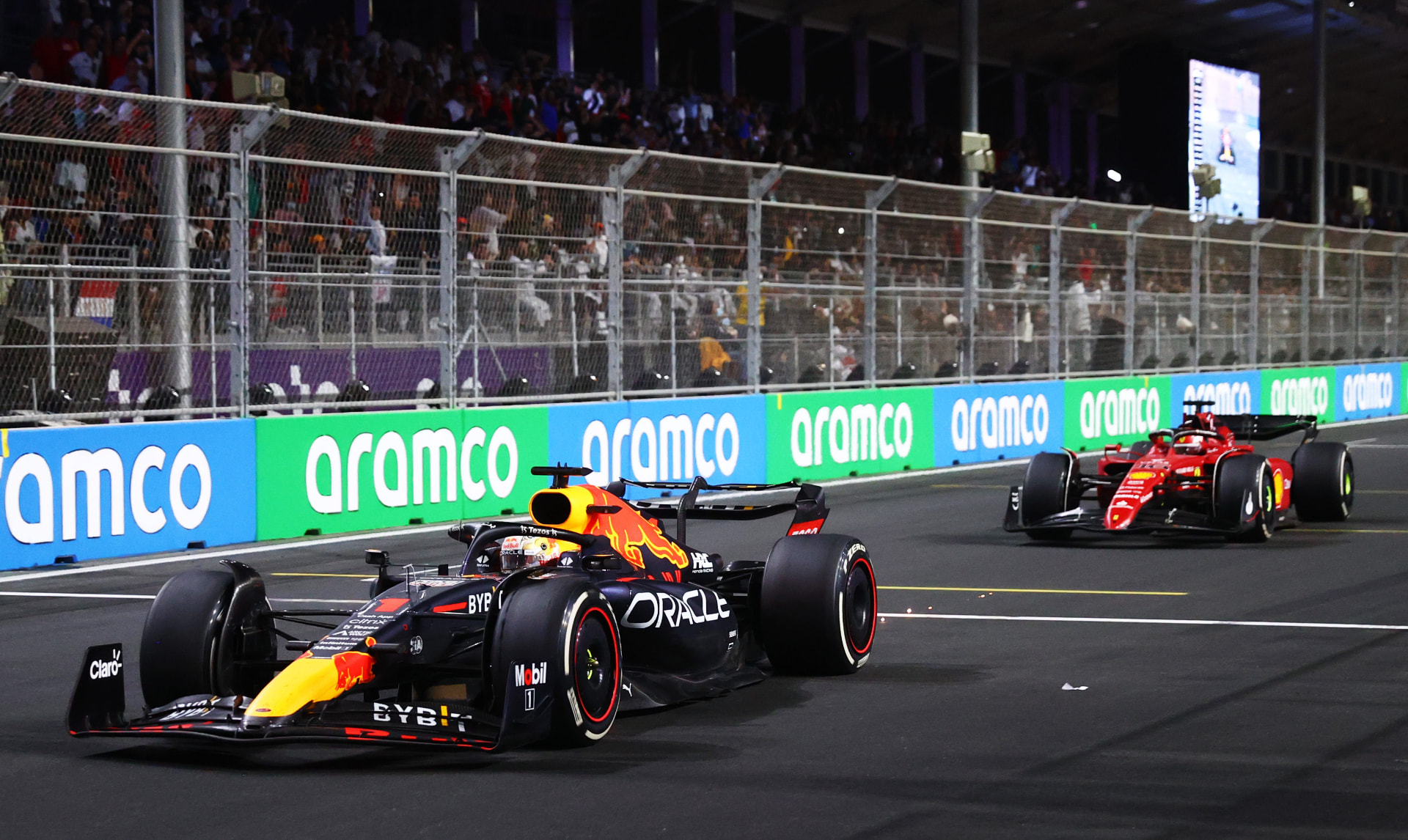
Max Verstappen is a world-class driver. Red Bull doesn't tell him to ease off on the straight to save fuel money. They put him in the fastest car they can build and let him drive.
F1 teams do have a budget cap set by the FIA. It limits what the team spends building the car. It doesn't limit how hard the driver pushes once he's on track. That's the right split for tech companies too: set a budget for the company, and let your best people run flat out inside it.
If you feel you need speed limits on a driver, he probably doesn't belong on the track.
What one person can do without a ceiling

In Limitless, Bradley Cooper's character finishes a book in days once his ceiling is gone. AI isn't a pill, but the best engineers I work with now feel a bit like that. One person with an agent can build what used to take a small team a quarter.
That changes how software companies make money too, which I covered in why ARR is over in the age of AI. When building gets cheaper, speed becomes the edge. Rationing tokens gives that edge away.
How to give your team unlimited tokens
Unlimited doesn't mean unmanaged. Here's how I'd set it up.
- Start with your best people. Give your strongest engineers unlimited access first. They'll show everyone else what good use looks like.
- Measure output, not usage. Track what ships, what customers use and what breaks. Token spend is a cost line, not a performance score.
- Look at the bill once a month. Not to cap it, to learn from it. High spend with high output is a model to copy.
- Treat waste as a people question. If spend is high and output is low, have the same conversation you'd have about any other performance problem.
- Shrink the team before you shrink the tools. If the total bill is too high, you likely have too many seats, not too many tokens.
The best engineers should have unlimited tokens. If you trust them with your codebase and your customers, you can trust them with the AI bill.
Related reading
Follow what I'm building and backing
I post on LinkedIn and X about the companies I back and the products I build.
Join 2,219 people following along.