Prediction
Jeff Bezos Was Once a Broke Entrepreneur. We Forget That.
Keith Brown · Founding Partner, Outperform Ventures
Oct 13, 2026 · 3 min read
We see Jeff Bezos the billionaire and forget the founder who started Amazon in a garage. We have short memories. Instead of worrying about billionaires, we should create more entrepreneurs and back them.
"Success is not villainy," Jeff Bezos told Fox News' Bret Baier last week. "You can be a billionaire if you started a hamburger stand." The clip has been everywhere since, covered by GeekWire and Fortune.
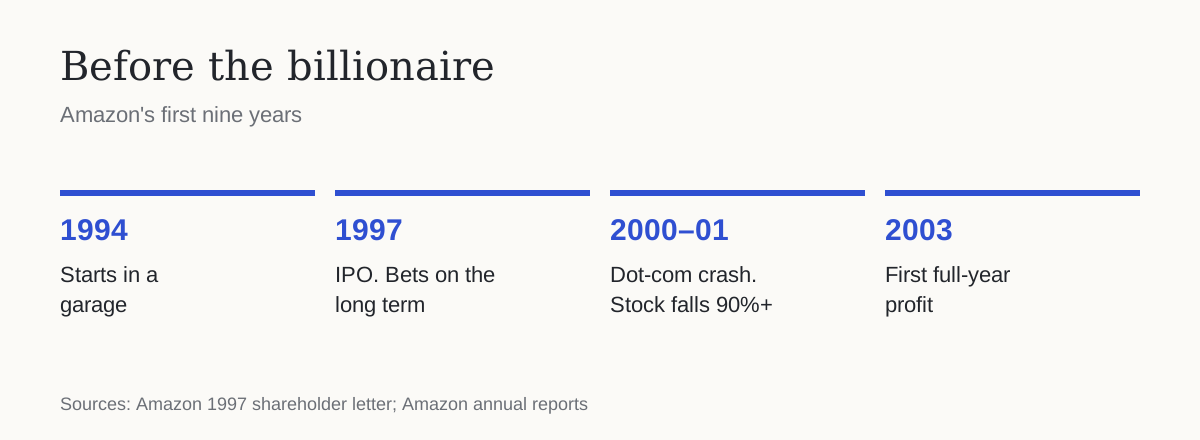
Today we see the second-richest person in the world. We forget the guy who started an online bookstore in his garage in 1994, with money from his parents and no promise it would work. We have short memories. I wrote about the long view of wealth in how to build generational wealth.
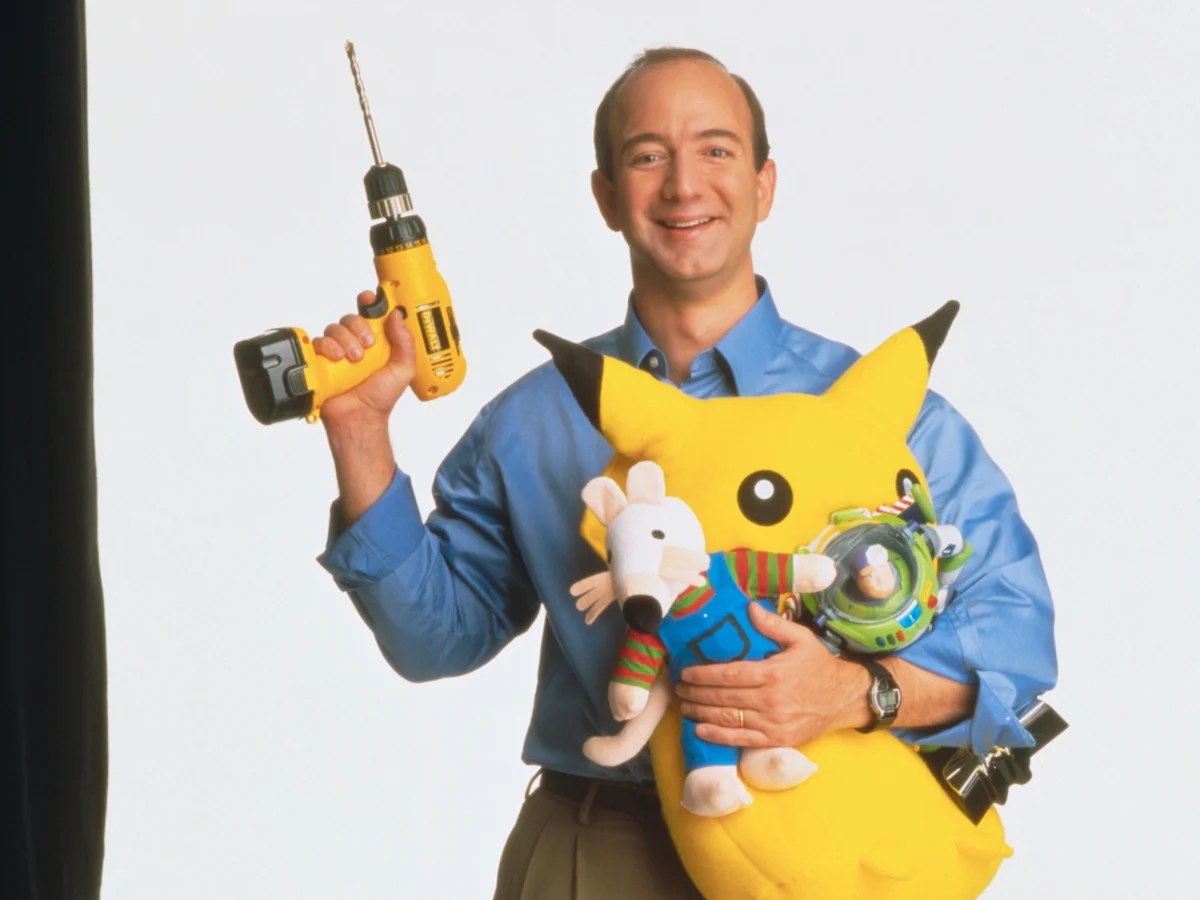
Success is not villainy. You can be a billionaire if you started a hamburger stand.
What Jeff Bezos said about success
Bezos described how someone could start a food stand with 10 or so workers and grow it into a business with thousands of locations. "This is how it works," he said. "There's nothing wrong with making unbelievably good chicken that people love. And it doesn't make him a bad person."
He was talking about Raising Cane's. Its founder, Todd Graves, was turned down by banks and worked oil refineries and fished for salmon in Alaska to fund his first restaurant. Most people only see the drive-thru lines today.
Plenty of people disagree with Bezos. About 18% of Americans say being extremely rich is morally wrong, and about 33% of adults 18 to 29 agree, according to Pew Research data cited by Fortune.
The part of the Bezos story we forget
Amazon wasn't a sure thing. Bezos has said he told his parents there was about a 70% chance they would lose their investment.
His 1997 letter to shareholders was full of risk. He wrote that Amazon would keep investing and might not be profitable for some time. Amazon didn't post its first full-year profit until 2003, nine years after it started.
In between, the dot-com crash took the stock down more than 90%. Plenty of people called Amazon a failure. The billionaire we see now was a founder who kept going when it looked like he was wrong.
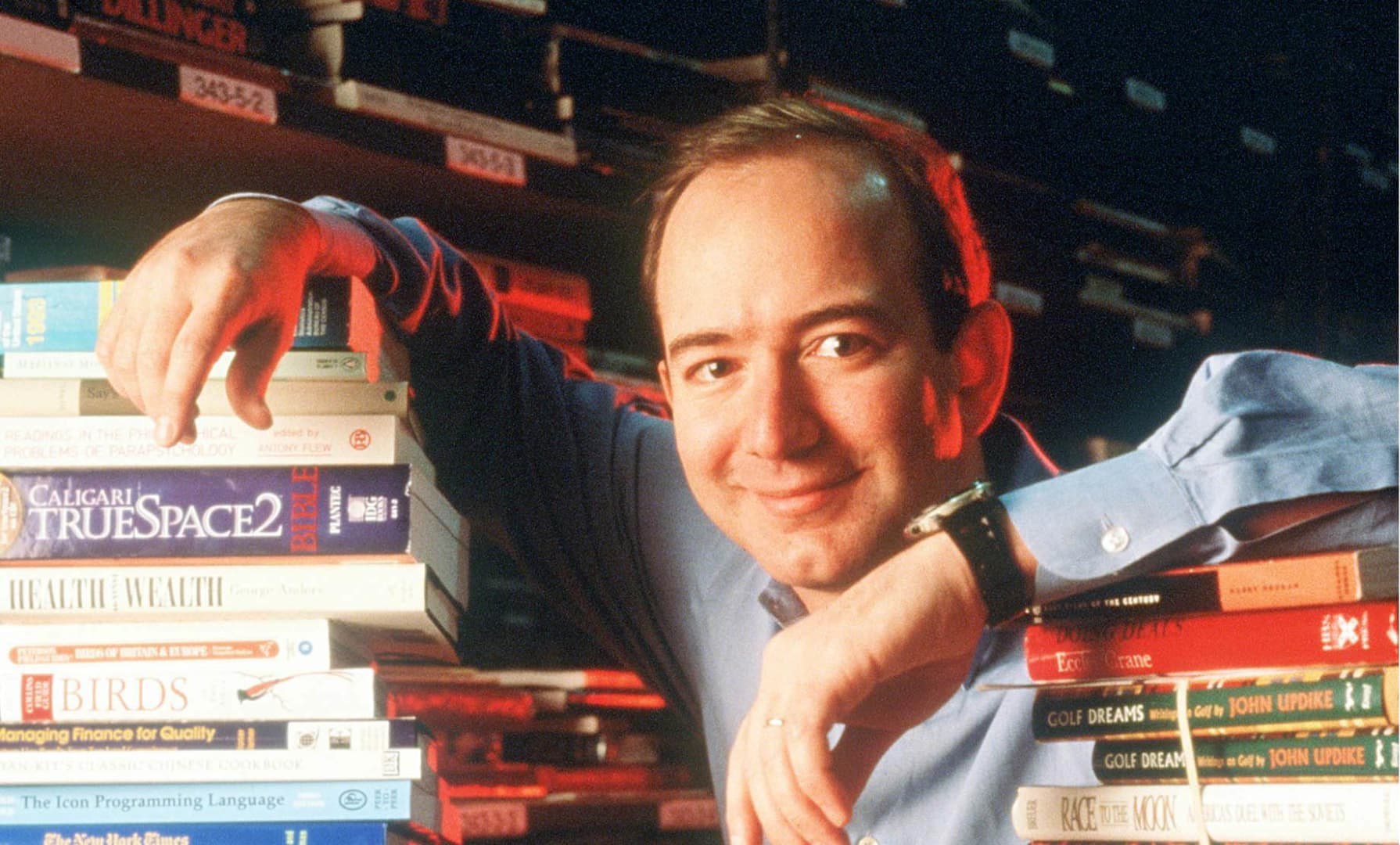
We judge the result and skip the risk
We see the yacht, the rockets and the headlines. We don't see the years of not getting paid, the bank loans that didn't come through, or the nights of wondering if it was all a mistake.
Every founder I've backed started with more doubt than money. Most of them don't become billionaires. Many fail. The ones who win made a bet with their own time and savings that most people would never make.
If you're weighing that bet yourself, my Founder or Employee quiz is a good place to start.
Why we should back more entrepreneurs
Instead of worrying about the billionaires, I'd rather focus on creating more entrepreneurs and backing them. Every big company was once a small one. Every billionaire founder was once broke.
Americans are still starting companies at a strong pace. The U.S. Census Bureau's Business Formation Statistics show more than 5 million new business applications a year since 2021, well above the pre-2020 years.
Those founders need customers, mentors, money and introductions. That's where the rest of us come in.
Five ways to back entrepreneurs
- Buy from them. A first customer means more to a founder than almost anything else. Pick the local shop or the new software over the big name once in a while.
- Mentor one founder. An hour a month on hiring, pricing or sales can save them a year of mistakes.
- Write a small check. If you can afford to lose it, angel investing puts money where it does the most good. Expect most to fail.
- Hire former founders. People who started something and failed bring ownership and grit most resumes can't show.
- Make the introduction. One email to the right customer or investor can change a company's year.
This is the work I do at Outperform Ventures. If you want the numbers on what a founder actually walks away with, try the Exit Math calculator.
Remember the garage
The next Amazon is in someone's garage right now. It probably looks small and a little crazy. Back the person in that garage.
Related reading
Get my monthly newsletter
One email a month with what I'm writing and working on.
One email a month. Unsubscribe anytime.