Prediction
Why Your Voice Is Replacing the Keyboard
Keith Brown · Growth & Leadership
Sep 27, 2026 · 4 min read
Keyboards and mice are going away. Voice, transcription and AI are coming together, and they change how we work with technology. I now write articles by talking, and the biggest key on OpenAI's first hardware is a microphone.
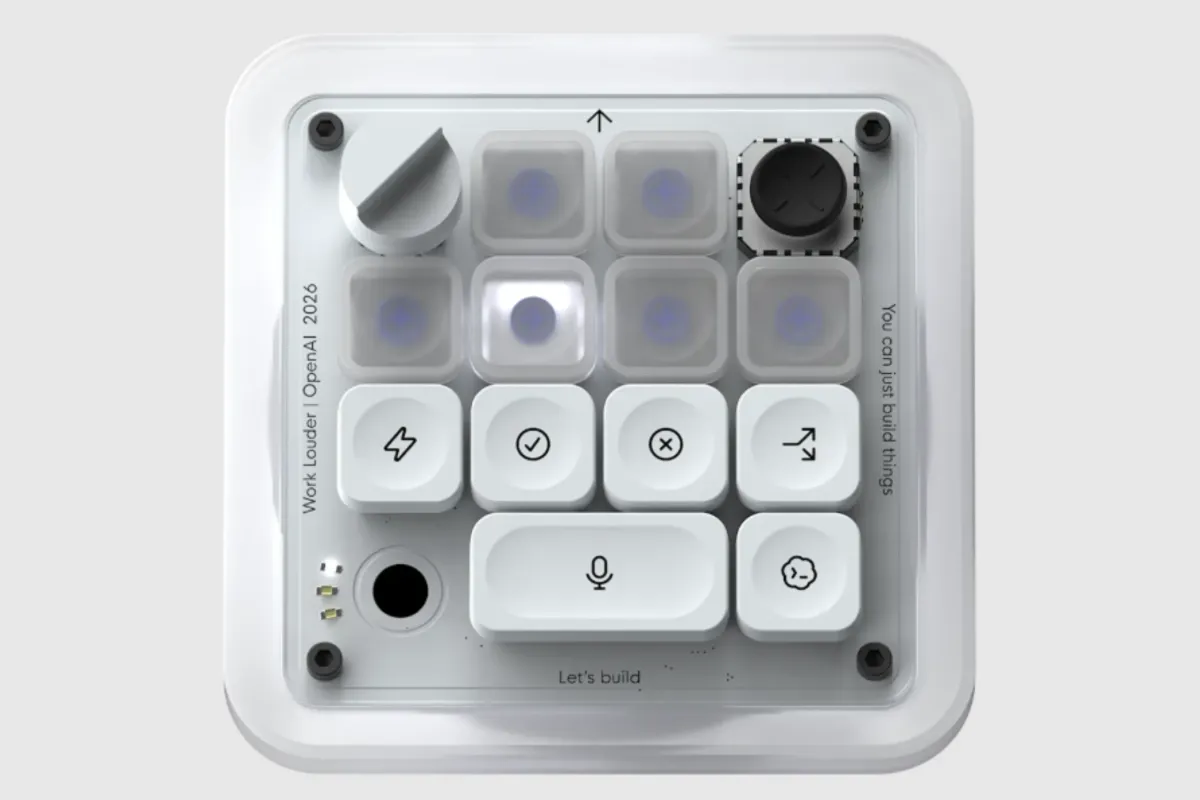
Keyboards are going away. Voice, transcription and AI are coming together, and they're changing how we work with technology. Even OpenAI's first branded hardware, the $230 Codex Micro, puts its biggest key on a microphone.
The research has pointed this way for years. A Stanford study found speaking was 3.0x faster than typing on a phone, with a 20.4% lower error rate. Bill Gates wrote in 2023 that "you'll simply tell your device, in everyday language, what you want to do."
I've written about how AI is changing software and the platforms we build on. This one is personal. It's about how I work now.
How I wrote this article
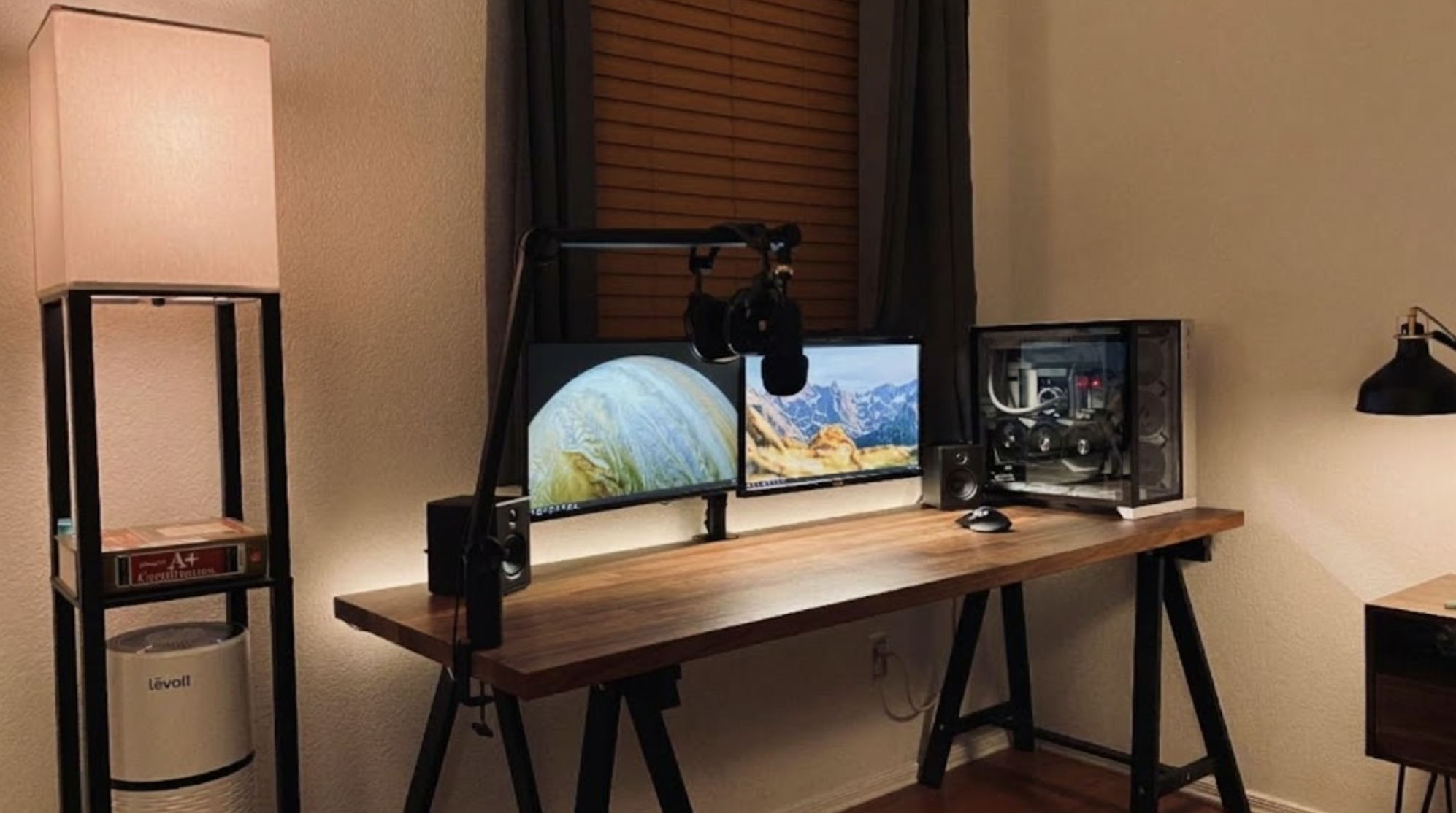
I was out in East Texas. I woke up Sunday morning, pulled out my iPhone and started recording my thoughts, including the idea for this article.
I transcribed the recordings and emailed them to myself. Then I gave them to an AI I've been training on my voice and my writing style. It can now write in my voice, with my experience, about as well as I can.
I didn't type anything. In 15 or 20 minutes of talking over a cup of coffee, looking out over a pond at sunrise, I wrote what will become five to 10 articles.
I've always been limited by how much and how fast I could type.
Will voice replace the keyboard?
I think so. If I could figure out a way to short the keyboard and mouse industry, I would. Maybe monitors too.
Look at what a keyboard asks of you. You think, then you type, then you edit, then you add links and research. Every step goes through your fingers. Voice removes most of that friction.
- Before: type every word, click through every menu, format by hand.
- Now: speak your thoughts, let AI transcribe and draft, then review.
- Next: possibly just thinking it.
What OpenAI's Codex Micro tells us
OpenAI's first hardware isn't a phone or a speaker. The Next Web called it "a small keyboard for people who talk to an AI all day." It has 13 keys, a dial and a joystick, and six keys light up to show what each AI agent is doing.
The setup guide describes it as a way to check on chats, jump between them and use voice input. The keys are for approving, declining and steering. The talking is done with your voice.
That's the shape of the future I see. You talk to the work, and you tap to approve it. The full keyboard becomes the backup.
What comes after voice
I don't know how far Neuralink will go, but we might one day just think things. It's in human trials now, helping people with paralysis control computers.
That's what's so remarkable about where we're headed. Keyboards go first, then probably mice. Then your voice, and maybe your thoughts, become all you need to create, automate and run your life and business.
Does it matter how long something took to write?
No. Google and AI search don't care how long something took you. They care about quality. Google says so plainly in its guidance on AI-generated content: it rewards helpful, original content however it's produced.
Speaking fast only works because of the slow part. I spent hours and weeks setting up the foundations: how I format, how I structure articles, and the rules for my voice. Once that's in place, it's easy to turn thoughts into content. And honestly, it's doing pretty well.
How to start working by voice
- Record your thoughts when they come. A walk, a drive or a quiet morning. Your phone's voice memo app is enough.
- Build the foundation first. Teach your AI tools how you write, with real examples and the words you'd never use.
- Talk, then review. Let AI draft. You edit for truth and voice, not for typing.
- Keep your judgment in the loop. Approve, decline and correct. That's the job the Codex Micro's buttons are built for.
- Protect quiet time. My best ideas came while I was away from a screen. I wrote about that in when social media helps leaders.
If you're thinking about what this shift means for your company, the AI-proof test takes a few minutes and shows where you're exposed.
Related reading
Get my monthly newsletter
One email a month with what I'm writing and working on.
One email a month. Unsubscribe anytime.