Legacy
Amazon's Bee Records Every Conversation. Lead Like You're Always On the Record.
Keith Brown · Founding Partner, Outperform Ventures
Oct 15, 2026 · 5 min read
Recording devices are going mainstream. Leaders who say the same thing in every room have nothing to fear. The rest should start practicing now.
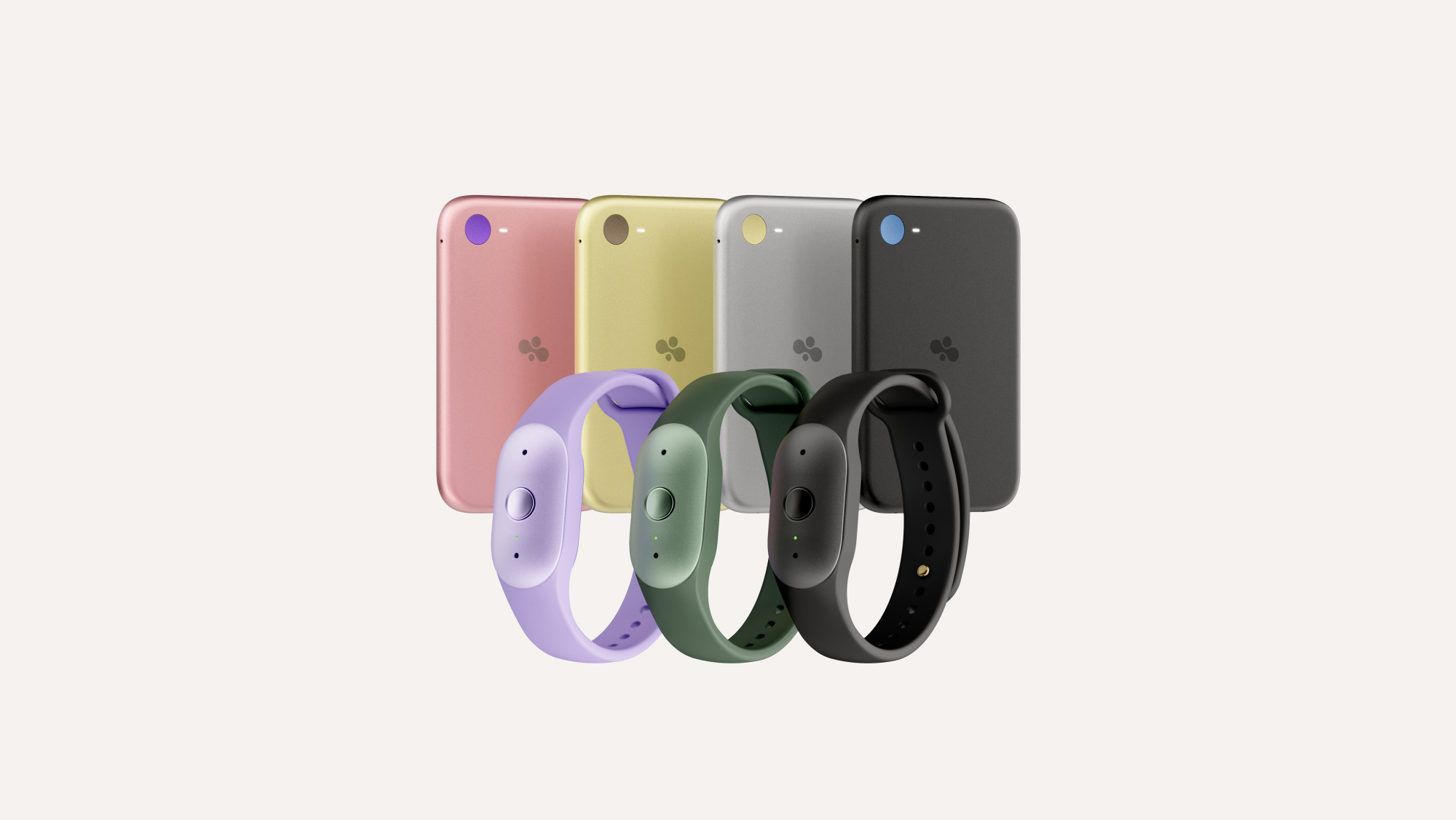
Amazon's Bee launched two new devices today that remember what you say. Amazon announced Bee Frontier, a $74.99 wristband, and Bee Eclipse, a $99.99 device that clips magnetically to the back of your phone and captures "both sides of every call." If you lead people, plan on everything you say being recorded. Even in person.
This isn't a niche gadget anymore. Bee Pro costs $12 a month and connects your conversations to Alexa+ and Amazon.com, GeekWire reported. In the US, 38 states plus D.C. let one person record a conversation without telling anyone else, according to the American Bar Association.
I've written about how your voice is replacing the keyboard. The same microphones that make that possible are now on wrists and phones all around you. Warren Buffett gave the best advice for this world back in 1991, long before any of it existed.
Lose money for the firm and I will be understanding. Lose a shred of reputation for the firm and I will be ruthless.
What do Amazon Bee Frontier and Bee Eclipse do?
They listen to your conversations and turn them into summaries, to-dos and reminders. If you agree on dinner plans with a friend, Bee remembers the date and can make a calendar invite. TechCrunch notes it competes with devices like the Plaud Note at a lower price.
Amazon says audio is processed in real time and then deleted, and that users control their data. The Amazon.com shopping link is opt-in. That's a fair approach. It still means the words were captured, summarized and saved somewhere.

Where recording everything helps
I want to be fair here, because a lot of this is good. Most of us forget half of what we agree to by the end of the day. A device that remembers promises makes people more reliable.
For a leader, that's valuable. You remember what you told a team member six months ago. You follow through on the small things. Notes from a hard conversation are accurate instead of what each person wishes was said.
What changes for leaders
A comment in the hallway used to fade. Now it can be a quote. A joke at dinner can become a clip. A frustrated aside about a team member can be searched, summarized and shared a year later.
Your words travel further than they used to, and they last longer. The person wearing the device may not even mean any harm. They just wanted a summary of the day, and you were in it.
Is it legal to record someone without telling them?
In most states, yes, if you're part of the conversation. Justia's 50-state survey explains that a majority of states require only one party's consent. A smaller group, including California, Florida and Illinois, requires everyone to agree.
The federal law follows the one-party rule too. So for most leaders, the honest answer is that the law won't protect you from being recorded. Your own words will have to. This is general information, not legal advice.
How do you lead when you're always on the record?
Buffett asked every Salomon employee to imagine their actions on the front page of the local paper, read by their spouse, children and friends. That test works even better today. Here are a few simple ones I use.
- The repeat test. Would I be fine hearing this read back to me, word for word, in front of the person I said it about?
- Say it to the person. If feedback matters, give it directly. If it isn't worth saying to them, it isn't worth saying about them.
- Praise in public, coach in private, and gossip never. The first two build a team. The third gets recorded.
- Set team norms. Decide together when meetings are recorded and when they're not, and say it out loud at the start.
- Assume the hallway is a meeting. The coffee line, the car ride and the dinner after the offsite all count.
Should companies ban recording devices at work?
Some will try. I'd be careful. A ban is hard to enforce when the microphone is a wristband, a phone case or a pair of glasses. It also tells your team you have something to hide.
A better path is a clear, written policy that everyone understands. Here's what I'd put in it.
- Ask first. Anyone recording a meeting says so at the start, and anyone can ask to pause it.
- Know the states you work in. If your team is spread across all-party consent states, everyone has to agree before a call is recorded.
- Keep some rooms quiet. Performance reviews, HR conversations, health matters and anything with customers' private data stay unrecorded unless both sides agree.
- Decide where recordings live. Who can see them, how long you keep them, and who deletes them.
- Lead by example. If the CEO asks before recording, everyone else will too.
None of this is about fear. It's about trust. People speak openly when they know the rules, and they go quiet when they don't.
What about friends and family?
The same rule applies outside work, and it may matter more. The dinner table, the golf course and the car ride home are where leaders tend to relax and say what they really think.
That's fine, as long as what you really think is something you'd stand behind. The goal isn't to stop being open. It's to make sure the private you and the public you are the same person.
Why this is good news for good leaders
The leaders I trust most already say the same thing in every room. They don't have a hallway version and a meeting version. For them, a world of recordings changes nothing. It just makes their consistency easier to see.
This connects to how I think about vulnerable conversations at work and power dynamics. The more power you have, the more your words get repeated. Recording just makes that permanent.
If you want to see how AI is changing the rest of your work, try the AI check. It takes a few minutes.
Start practicing now. Speak as if it will be repeated, because it will. Then you'll never have to worry about who's wearing what.
Related reading
Get my monthly newsletter
One email a month with what I'm writing and working on.
One email a month. Unsubscribe anytime.