Legacy
Most of What We Eat Is Acidic. So Is Most of Modern Life.
Keith Brown · Growth & Leadership
Nov 19, 2025 · 5 min read
Balance in the body and the mind is the whole idea. Your body keeps its own pH steady, so the alkaline diet doesn't work the way people sell it. But the foods on the alkaline list are the ones most of us skip, and most of modern life pushes us out of balance the same way processed food does.
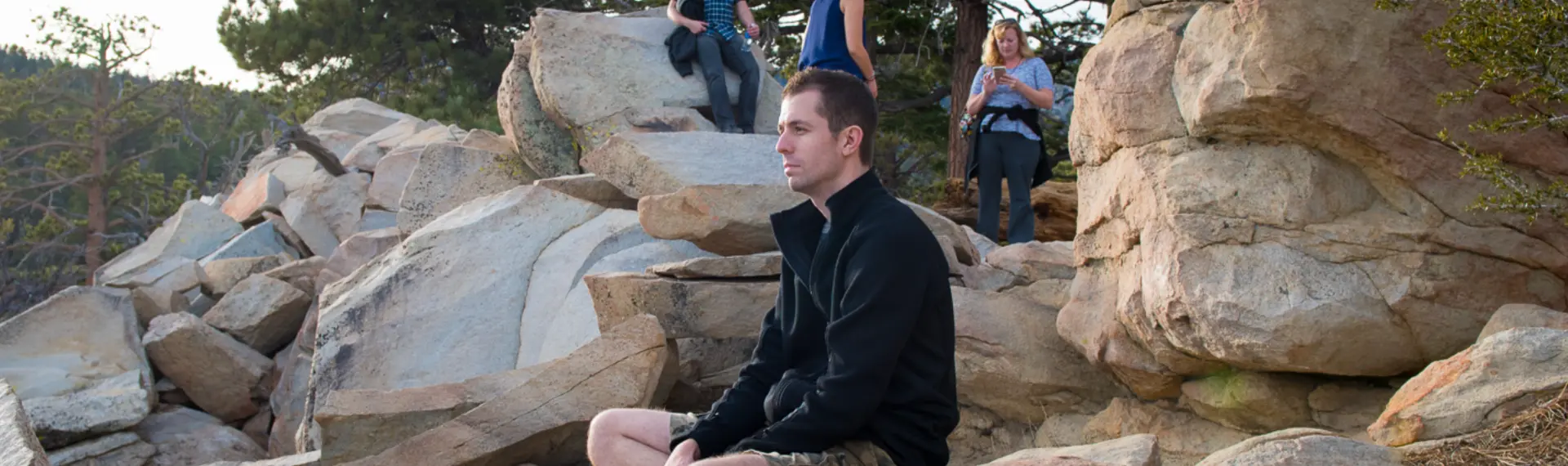
I think understanding balance in the body and the mind is the key to staying healthy. If you get out of balance mentally or physically, you get out of whack.
Most of what we eat is acidic. Most of life is a stress trigger or noise. Neither one fixes itself. You have to be proactive about putting things back in balance.
Does the alkaline diet actually work?
Not the way it's usually sold. Your blood stays slightly alkaline no matter what you eat. Your lungs and kidneys do that work for you, as Harvard Health explains. You can't eat your way to a different blood pH, and you don't need special water to do it.
Cleveland Clinic puts it well. The alkaline diet can help keep you healthy, "but not for the reasons you might think."
Here's the useful part. The foods that land on the alkaline list are fresh fruits, vegetables, nuts and seeds. The foods on the acid side are heavy on meat, cheese, refined grains, sugar and packaged snacks. The chemistry claim doesn't hold up, but the list itself is a pretty good map of what most of us should eat more of and less of.
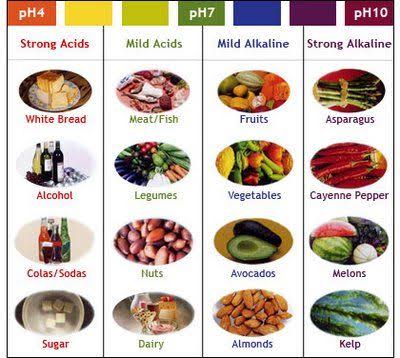
What foods are acidic?
These are the foods most acid/alkaline charts list as acidic, or acid-forming:
- Strongly acidic: white bread, pastries, sugar, candy, soda and colas, alcohol and coffee.
- Processed meats: hamburgers, hot dogs and lunch meat.
- Mildly acidic: beef, chicken, fish, eggs, cheese and other dairy, pasta and most grains, and legumes like cooked beans.
Not everything on the acidic side is bad for you. Fish, beans and eggs are on it. But most of the packaged, sugary and fried food we eat is there too.
What are alkaline and non-acidic foods?
These are the foods the same charts list as alkaline, or non-acidic:
- Vegetables: spinach, kale, broccoli, cauliflower, celery, lettuce, beets, carrots and asparagus.
- Fruits: apples, avocados, melons, tomatoes, dried figs, and lemons and limes.
- Nuts and others: almonds, green tea and kelp.
Lemons taste acidic but land on the alkaline list, which shows the chart is about what food does after you eat it, not how it tastes.
So I don't think about pH. I think about balance.
How much of the American diet is processed?
More than half. The CDC found that adults get 53% of their calories from ultra-processed foods. For kids and teens it's almost 62%. The top sources are sandwiches and burgers, sweet bakery products, savory snacks and sweetened drinks.
On the other side of the plate, only about 12% of adults eat enough fruit and 10% eat enough vegetables, according to the CDC. That's roughly one in ten people.
We're comfortable, and processed foods are comfortable. They're cheap, fast, always nearby and built to taste good. Nobody has to plan to eat a bag of chips. You do have to plan to eat a salad.
That's why I say you have to be proactive. The default pulls you one direction. Balance takes effort in the other.
Modern life is processed too
The same thing happens to the mind. Most of life is a stress trigger or noise. News, notifications, email, meetings, the next thing and the next thing after that. Like processed food, it's always available, and it's easy to take in all day without noticing.
Michael Easter wrote a whole book about this called The Comfort Crisis. He describes how most of us live today:
We are living progressively sheltered, sterile, temperature-controlled, overfed, underchallenged, safety-netted lives.
That line stuck with me. Overfed and underchallenged is a pretty good description of a diet built on processed food, and of a life built around a phone. Easter's point is that people do better with some discomfort in their lives, like a hard hike, time outside or a long stretch away from the screen.
I've written before about how the online world and the real world feel like they're moving in opposite directions. Reading the news gives me anxiety. Getting out among people gives me peace. More on that in my reflections on 2025.
What I do to stay in balance
None of this is complicated. The hard part is doing it on purpose, because the comfortable option is always closer.
- Fresh fruits and vegetables. I try to be proactive about them instead of waiting until I feel bad.
- Whole foods. Food that looks like where it came from, over food that comes in a wrapper.
- Quiet time. Some part of the day with no input. No news, no phone, no noise.
- Getting away. Time outside and away from the routine resets my head faster than anything else I've found.
- Taking real vacations. Ones where I actually step away from work.

Why this matters for anyone building something
When you run a company, it's easy to treat your health as something you'll get to later. I think that's backwards. Your energy, your patience and your judgment all come from the same place. When you're out of balance, you make worse calls and you're harder to work with.
I've written about the mental side of this before, in why I unplug to be present. My first leadership job was also managing a gym at 19, so health has been part of my life for a long time.
You don't need a perfect diet or a perfect schedule. You need to notice when you're tipping too far one way, and do something about it.
The short version
Your body keeps its own pH. You don't need to chase it. But the alkaline list is a decent reminder to eat more fresh fruits, vegetables and whole foods. The same goes for your mind. Cut some of the noise, get some quiet and get away when you can.
We're comfortable, and comfort is the default. Balance is the part you have to choose.
If this idea of balance hits home, I've written more about it in chasing approval and your identity was never what you do.
This is what works for me, not medical advice. Talk to your doctor before changing your diet.
Related reading
Get my monthly newsletter
One email a month with what I'm writing and working on.
One email a month. Unsubscribe anytime.